Does homeowners insurance cover mold remediation in South Carolina?
By Priya Tan · Updated 2026-05-11
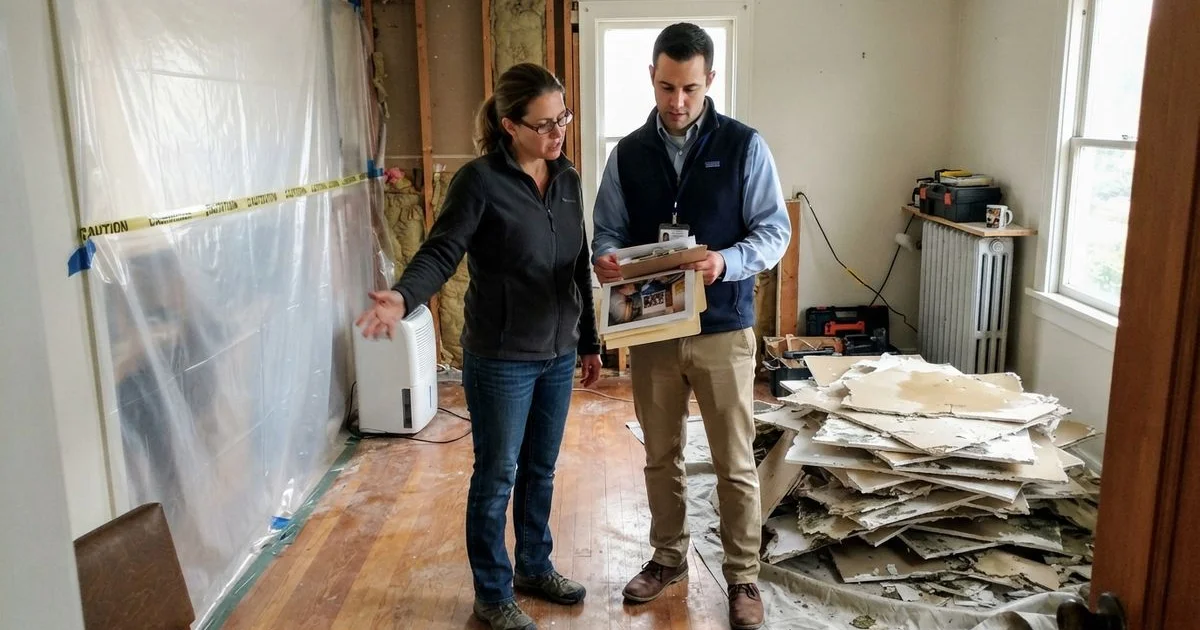
Insurance is the first question most people ask after finding mold, and it’s also where a lot of claims fall apart. Coverage depends less on how bad the mold is and more on what caused the water in the first place.
The line that matters: sudden versus gradual
Most South Carolina homeowners policies cover water damage from a sudden, accidental event: a pipe that bursts, an appliance hose that fails, a roof that’s damaged in a storm and lets water in. If mold grows out of that kind of event and you act quickly, remediation is often covered as part of the water damage claim.
Mold that develops from a slow leak behind a wall, chronic humidity in a crawlspace, or a maintenance issue nobody caught in time is a different story. Insurers generally treat that as preventable, and preventable damage is excluded from most policies. This distinction is the single biggest factor in whether a mold claim gets paid.
Mold coverage often has its own cap
Even when a mold claim is approved, many policies apply a separate, lower coverage limit specifically for mold damage, on top of whatever the broader water damage limit is. That cap can leave a real gap between what remediation costs and what the policy actually pays out, especially on severe jobs involving a crawlspace or HVAC system. Ask your insurer directly what your mold-specific sublimit is before you assume the whole job is covered.
| Scenario | Typically covered? |
|---|---|
| Burst pipe, caught and reported quickly | Often yes, subject to deductible and mold sublimit |
| Roof leak from storm damage | Often yes, if reported promptly |
| Slow plumbing leak discovered months later | Usually denied as preventable |
| Chronic crawlspace or bathroom humidity | Usually denied |
| Storm surge or rising floodwater | Handled by flood insurance, not a standard homeowners policy |
Flood damage runs on a separate track
Charleston’s exposure to hurricanes and storm surge means flood coverage deserves its own mention. A standard homeowners policy does not cover rising water from a flood; that requires a separate flood insurance policy, often through the National Flood Insurance Program. If mold follows flood damage, whichever policy actually covered the water event is the one that applies to the mold that grew from it.
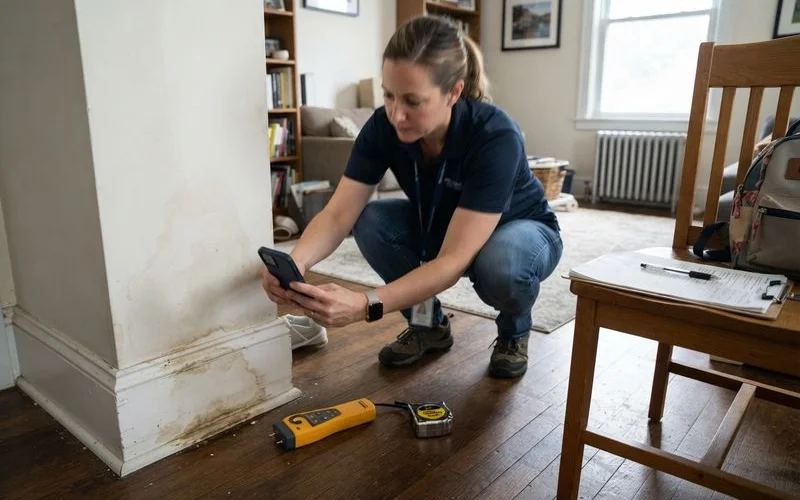
What actually helps a claim
- Report fast. The longer mold sits, the easier it is for an adjuster to argue it was a gradual, unreported problem rather than a sudden one.
- Photograph before cleanup starts. Once drywall is torn out, the visual evidence of scope is gone.
- Get a written moisture reading. A technician’s documented reading at the time of inspection is harder to dispute than a description after the fact.
- Keep the remediation quote itemized. Adjusters push back on lump-sum invoices far more than on quotes broken down by task and material.
If a claim gets denied
A denial isn’t always final. Ask the adjuster for the specific policy language they’re citing, not just a summary of the decision. If the dispute is over whether the cause was sudden or gradual, a second, independent inspection with clear moisture readings and a written opinion on cause can sometimes change the outcome. It costs something upfront, but it’s often less than the remediation bill you’d otherwise pay out of pocket. You can also request a formal internal review through the insurer before assuming the first answer is the last word.
Where the numbers land
Once a claim is approved, your payout is the total remediation cost minus your deductible, assuming the cause is covered. A $4,000 job with a $1,000 deductible nets $3,000 from the insurer, before any mold-specific cap reduces that further. It’s worth running your own numbers before assuming a quote will be fully reimbursed.
This is general information, not insurance or legal advice. Policy language varies by carrier and by individual policy, so confirm your specific terms with your agent or adjuster before filing or turning down a claim. Start from the homepage to compare local providers who handle insurance coordination directly, and see our methodology for how those providers are scored.
FAQ
- Is mold covered by a standard homeowners policy in South Carolina?
- Sometimes, but only when it results from a sudden, covered event like a burst pipe. Mold from gradual leaks, humidity, or deferred maintenance is usually excluded, and even covered mold claims often carry a lower payout cap than the rest of the claim.
- Does flood insurance cover mold from a hurricane or storm surge?
- Rising water from a flood is handled under a separate flood policy, not your standard homeowners policy. If mold follows flood damage, check whether your flood policy or your homeowners policy applies, since the answer depends on which document the water came from.
- What should I photograph before remediation starts?
- The source of the water, the extent of visible mold, and any moisture meter readings a technician takes. Photos taken before any cleanup begins are the strongest evidence you have if the claim gets questioned later.
- Will the adjuster and the remediation company talk to each other directly?
- Many Charleston restoration companies coordinate with adjusters as part of the job, which can speed things up. It's still worth getting the scope of work in writing yourself rather than assuming the two sides are aligned.