What mold remediation costs in Charleston and what changes the price
By Priya Tan · Updated 2026-05-04
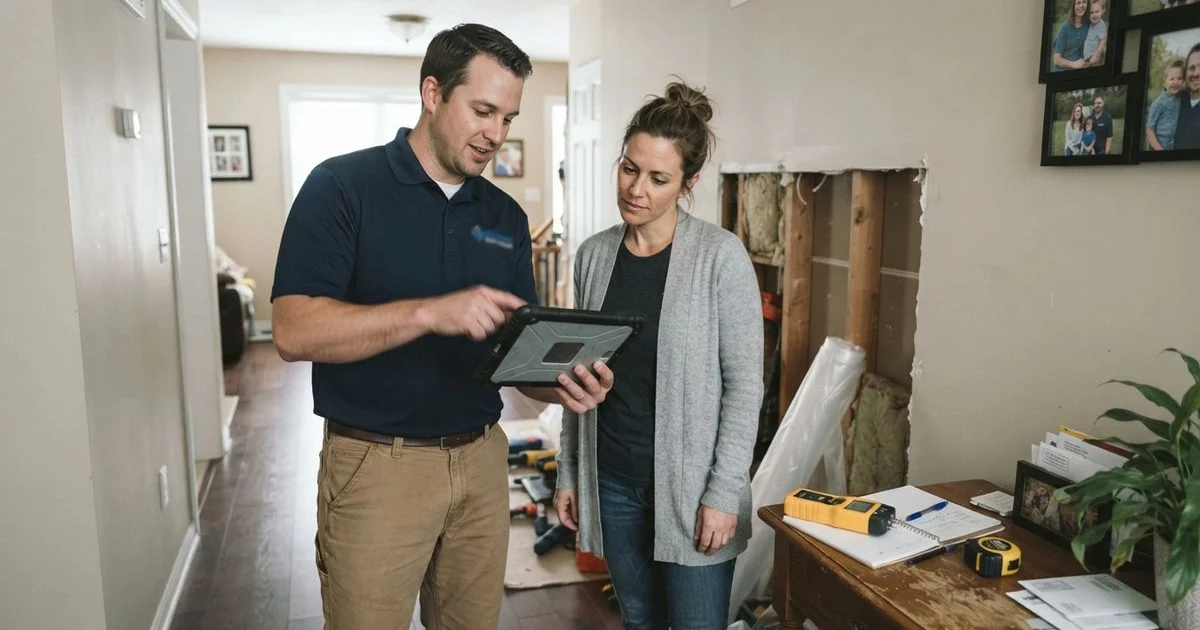
A few square feet of mold on a bathroom ceiling costs nothing like a crawlspace that’s been damp for months. Before you call anyone, it helps to know what actually moves the number on a Charleston mold remediation quote, and what’s just markup.
What actually sets the price
Three things drive most of the cost difference between jobs:
- How much area is affected. Remediation is priced by square footage, so a single shower stall costs far less than a whole crawlspace or attic.
- How severe the contamination is. A small surface patch is cheap to treat. Mold that’s spread behind drywall, into insulation, or through HVAC ductwork means more demolition, more disposal, and more labor hours.
- What has to be removed versus cleaned in place. Hard surfaces like tile or sealed wood can often be treated without tearing anything out. Porous materials such as carpet, insulation, and water-stained drywall usually get pulled out and replaced rather than cleaned.
Getting two or three quotes from Charleston mold remediation providers before you commit gives you a real sense of where your job lands on that range, rather than guessing off one number.
Typical price ranges
| Severity | What it looks like | Typical cost range |
|---|---|---|
| Minor | Small surface patch, no odor, isolated spot | $500 to $1,500 |
| Moderate | Visible spread across a wall or ceiling, some musty smell | $1,500 to $4,000 |
| Severe | Behind walls, in HVAC ducts, or spread through a crawlspace | $8,000 to $20,000 or more |
These reflect typical per-square-foot pricing for the affected area. A technician still needs to inspect the property and confirm moisture levels before giving you a firm number, since what looks minor on the surface sometimes isn’t once a wall opens up.
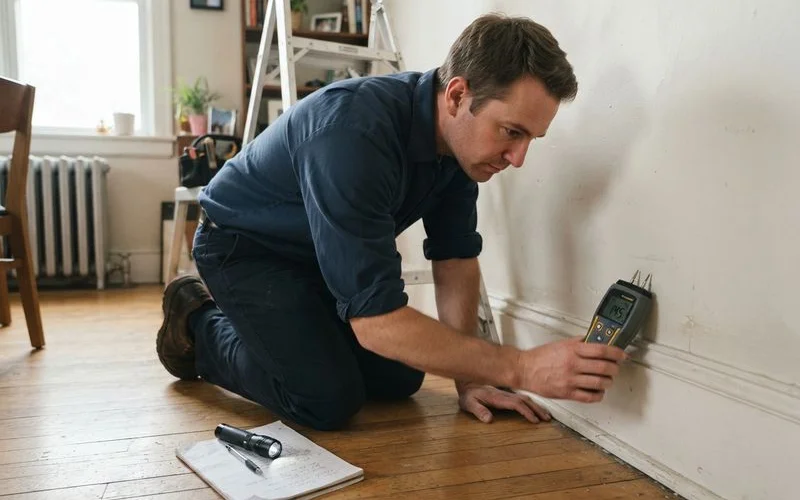
The moisture source is a separate bill
Removing mold without fixing what caused it is a short-term win. Charleston’s humidity and older housing stock, plenty of crawlspaces and raised foundations, mean the cause is often standing water, a missing vapor barrier, or a leak that’s gone unnoticed for weeks. Expect the remediation quote to cover removal, cleaning, and treatment of the mold itself. Fixing drainage, sealing a crawlspace, or replacing a vapor barrier is usually a separate line item, sometimes called encapsulation. Ask whether it’s included or quoted on its own, because skipping it is the most common reason mold comes back within a year.
Insurance covers some of this, not all of it
Whether your homeowners policy pays anything toward the remediation depends heavily on what caused the water intrusion in the first place, a sudden pipe burst tends to be treated differently than mold that built up from months of unaddressed humidity. This guide focuses on cost drivers; the details of what South Carolina policies typically cover are worth reading before you file anything.
This is general information, not financial or insurance advice. Your policy’s exact terms decide what’s covered, so read the language or ask your agent before assuming a number.
What changes a quote after day one
A few things commonly push the final bill above the initial estimate:
- Opening a wall or ceiling and finding the contamination goes further than what was visible.
- A crew discovering the moisture source hasn’t been addressed, meaning drying equipment has to run longer.
- Add-on work like duct cleaning or encapsulation that wasn’t priced into the original scope.
None of these are automatically a red flag, but they should show up in writing as a change order with an explanation, not just a higher number on the final invoice.
Getting quotes worth comparing
Ask each company for the same three things: the square footage they’re pricing, whether the quote includes moisture-source repairs or just the mold itself, and whether follow-up testing is included or billed separately. Two quotes that look far apart often turn out to be pricing different amounts of work, not different rates for the same job. Read our methodology for how we score and rank the providers listed on this site, and start from the homepage if you want to compare the full list of local options.
FAQ
- How much does mold remediation cost in Charleston?
- Small, surface-level patches often run in the low hundreds up to about $1,500. A moderate job with visible spread and some odor typically lands between $1,500 and $4,000. Severe cases, where growth is behind walls, in the HVAC system, or spread through a crawlspace, can run $8,000 to $20,000 or more.
- Does the price include fixing the moisture problem, not just the mold?
- Not always. Removing and treating the mold is one line item. Fixing the cause, whether that's poor drainage, a missing vapor barrier, or a slow leak, is often billed separately, sometimes as encapsulation or waterproofing added on top.
- Does a cheap quote mean a better deal?
- Sometimes it just means less scope. Ask exactly what square footage, materials, and follow-up testing are included before comparing two numbers side by side.
- Do I need lab testing before getting quotes?
- Not for a straightforward visible patch. Testing earns its cost when you can't see the source, need documentation for an insurance claim, or want confirmation the air is clear once work is done.
Related on this site
- Browse mold remediation providers
- What to expect during a mold remediation job in Charleston, step by step
- DIY mold removal vs hiring a pro in Charleston: when each makes sense
- Mold exposure health risks in Charleston homes: what's real and what's overblown
- Is hidden mold in your HVAC or walls making you sick? What to look for
- All guides →