DIY mold removal vs hiring a pro in Charleston: when each makes sense
By Priya Tan · Updated 2026-05-27
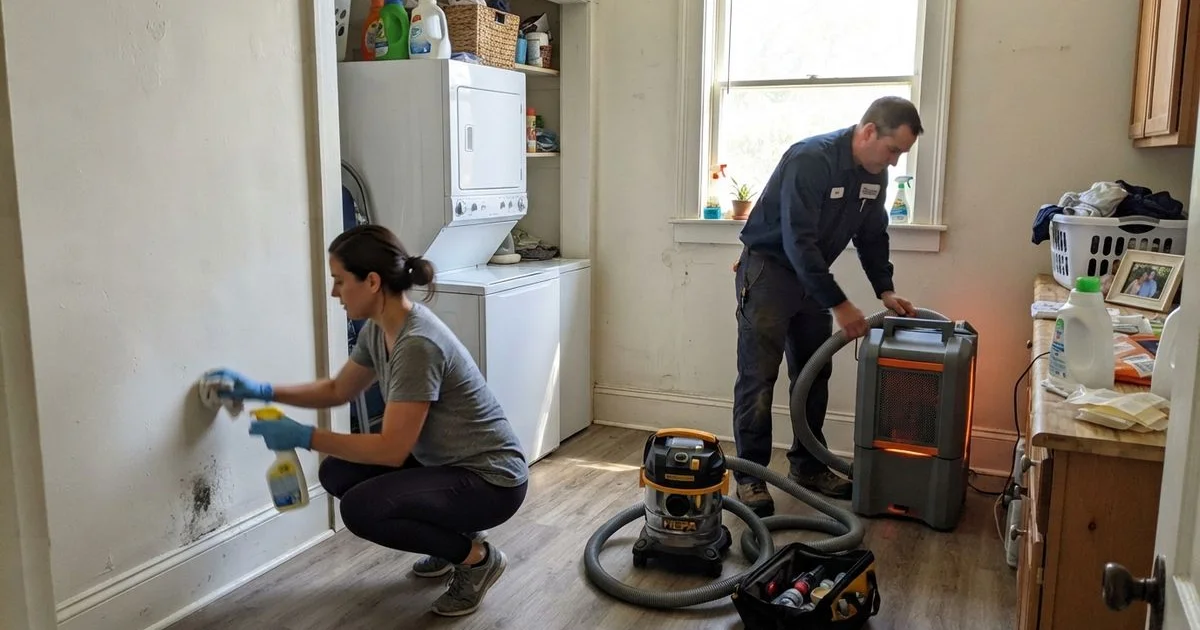
Not every mold spot needs a crew in hazmat suits. Some genuinely are a weekend job with gloves and a spray bottle. The trick is knowing which is which before you start, so you don’t spend a Saturday scrubbing a problem that comes right back.
When DIY is reasonable
A small, contained patch on a hard, non-porous surface is usually fine to handle yourself:
- Mold on bathroom tile, grout, or a shower curtain
- A small spot on a windowsill from condensation
- Surface mildew on a non-porous countertop
For these, soap and water or a mold-specific cleaner, followed by drying the area completely and improving ventilation, typically solves it. The moisture source matters more than the cleaning product: if condensation or poor airflow caused it, fixing that is what actually prevents it from returning.
When it’s time to call a professional
Bring in a Charleston mold remediation provider when any of these apply:
- The affected area is larger than roughly 10 square feet, about a 3-foot by 3-foot patch.
- Mold is on a porous material: drywall, carpet, insulation, or untreated wood.
- You can smell mold but can’t see where it’s coming from, which usually means it’s inside a wall, under flooring, or in HVAC ductwork.
- The mold followed a flood, burst pipe, or other significant water event.
- Anyone in the home has asthma, allergies, or a weakened immune system.
| Situation | DIY | Call a pro |
|---|---|---|
| Small tile or grout spot | Yes | Not necessary |
| Patch over 10 sq ft | No | Yes |
| Mold on drywall or carpet | No | Yes |
| Mold smell, no visible source | No | Yes |
| Mold after flooding or a burst pipe | No | Yes |
| Household member with respiratory issues | No | Yes |
Why porous materials change the math
Hard surfaces let you clean the mold off entirely. Porous materials, drywall, carpet padding, insulation, absorb spores into the material itself, which means surface cleaning leaves the problem behind the visible layer. A professional crew removes and replaces contaminated porous materials rather than trying to clean them, which is the main reason these jobs cost more and take longer than a DIY wipe-down.
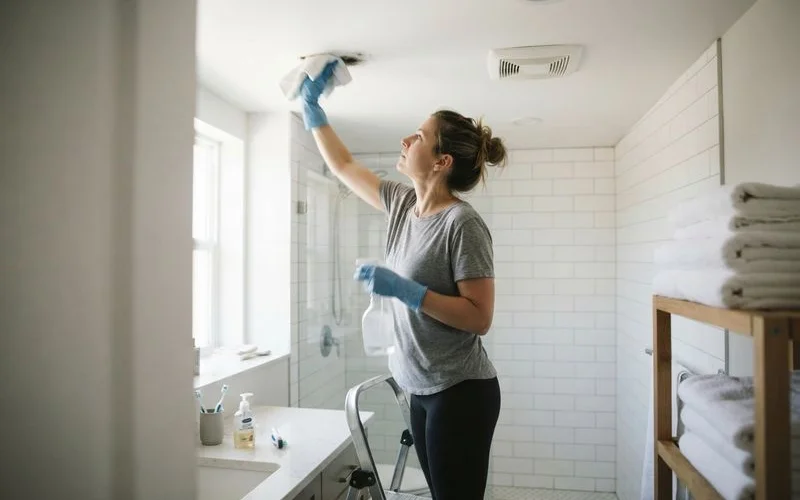
The real risk of DIY on a bigger job
Disturbing mold without containment, sealing off the area with plastic and controlling airflow, can spread spores to parts of the house that were never affected. This is the most common way a small, one-room problem becomes a multi-room remediation job. If you start cleaning and the patch looks bigger once you get into it, stop and call someone rather than continuing to work through it.
Basic precautions if you do it yourself
For the small, hard-surface jobs where DIY makes sense, a few habits reduce risk without much extra effort. Wear gloves and a mask rated for fine particles, not just a basic dust mask. Open a window or run a fan to keep air moving out of the space while you work. Bag anything disposable, sponges, wipes, rags, rather than leaving it to dry out and release spores again. And clean the area a second time a week or two later to confirm nothing regrew, since a repeat spot in the same location usually means the moisture source wasn’t actually fixed.
A middle path: get an inspection first
If you’re not sure which category a patch falls into, a standalone inspection is often cheaper than either guessing wrong. A technician can tell you in one visit whether it’s a DIY job or something that needs full remediation, which saves you from either overpaying for a simple fix or underestimating a real problem.
If a quote for a small job comes back surprisingly high, ask what specifically is driving the price. Some companies charge a flat minimum regardless of scope, which can make a genuinely small job look like it needs professional help when it doesn’t.
Read our methodology for how Charleston mold remediation providers on this site are ranked, or head to the homepage to compare options directly.
FAQ
- Can I clean mold myself with bleach?
- For a small patch on a hard, non-porous surface like tile or glass, cleaning with soap and water or a mold-specific cleaner is usually enough. Bleach can lighten staining but doesn't reliably kill mold on porous materials, and it does nothing for the moisture problem underneath.
- What size of mold patch should I stop treating myself?
- A commonly used rule of thumb is that if the affected area is larger than roughly 10 square feet, about a 3-foot by 3-foot patch, it's worth bringing in a professional rather than continuing to clean it yourself.
- Is it safe to remove mold myself?
- For small, surface-level jobs, yes, with basic precautions: gloves, a mask rated for fine particles, and good ventilation. Avoid DIY removal if you have asthma, allergies, or a compromised immune system, or if the mold is in a hard-to-ventilate space like a small bathroom or closet.
- Will a DIY cleanup void an insurance claim?
- It can complicate one. If you're planning to file a claim, document the damage with photos and get a professional assessment before you clean anything up, since removing evidence of scope can make a claim harder to support.
Related on this site
- Browse mold remediation providers
- What mold remediation costs in Charleston and what changes the price
- What to expect during a mold remediation job in Charleston, step by step
- Mold exposure health risks in Charleston homes: what's real and what's overblown
- Is hidden mold in your HVAC or walls making you sick? What to look for
- All guides →