What to expect during a mold remediation job in Charleston, step by step
By Priya Tan · Updated 2026-05-19
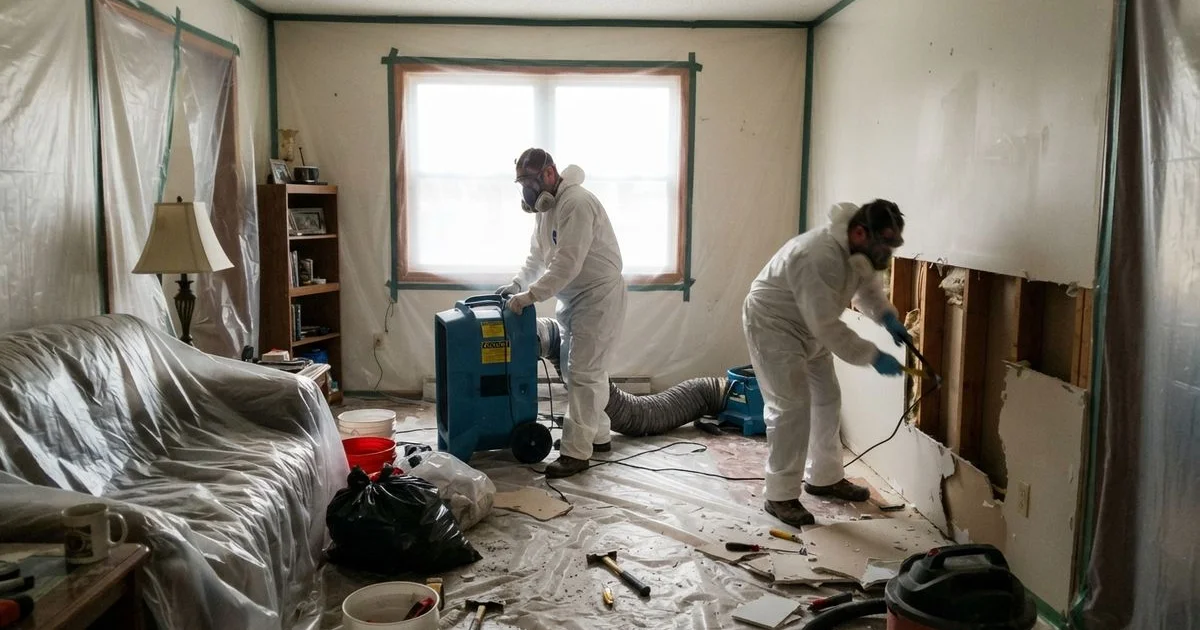
Most people calling about mold have never been through a remediation job before, which makes the process feel like a black box. It isn’t. Here’s roughly what happens, in order, once you book a Charleston crew.
1. Inspection and scope
A technician walks the property with a moisture meter, sometimes a thermal camera, to find not just the mold you can see but the wet materials feeding it. In Charleston’s older homes, that often means checking crawlspaces, HVAC closets, and spots behind baseboards where humidity collects. You should get a written scope of work: what’s affected, what gets removed, and what gets treated in place.
2. Containment goes up first
Before anyone touches the mold, the work area gets sealed off with plastic sheeting, and larger jobs add negative air pressure so contaminated air is pulled out rather than pushed into the rest of the house. This step protects the parts of your home that aren’t part of the job. A crew that skips straight to demolition without containment is cutting a corner that matters.
3. Removal of what can’t be saved
Porous materials that have absorbed moisture, drywall, carpet, insulation, damaged wood, typically come out rather than get cleaned. Hard, non-porous surfaces are usually cleaned and treated in place. Everything removed gets bagged and disposed of according to standard protocols so spores don’t spread during transport out of the house.
| Stage | What happens | Rough timeline |
|---|---|---|
| Inspection | Moisture mapping, scope written | Same day to 1-2 days |
| Containment | Area sealed, air pressure set | A few hours |
| Removal | Damaged materials taken out | 1-3 days |
| Drying and treatment | Equipment runs, surfaces treated | 2-5 days |
| Clearance and rebuild | Final check, then repairs | Varies by scope |
4. Cleaning and treatment
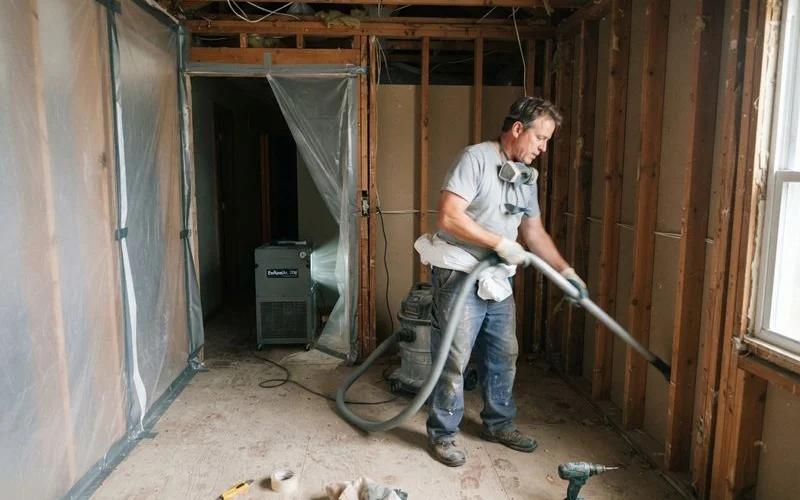
Once damaged materials are gone, remaining surfaces get HEPA-vacuumed and treated with an antimicrobial product to stop regrowth while things dry out. This is a targeted step, not a general wipe-down, and it’s why remediation costs more than a homeowner just scrubbing a visible patch with bleach.
5. Drying, and waiting
This is the stage people underestimate. Equipment, dehumidifiers and air movers, needs to run until materials reach a safe moisture level, which in Charleston’s humidity can take longer than in a drier climate. Rushing this step is how mold comes back a few months later.
6. Clearance and rebuild
Once moisture readings check out, some jobs include a clearance test before walls close up, ideally performed independently of the crew that did the removal, so there’s no conflict of interest in the result. After clearance, rebuild starts: new drywall, flooring, or insulation goes back in.
What to do before the crew arrives
You don’t need to prep much, but a few things speed the job up. Clear a path to the affected area so equipment and materials can move in and out easily. Move anything valuable or hard to replace out of the work zone, since containment plastic and equipment take up space. If pets or family members have respiratory conditions, mention it before the appointment so the crew can plan containment accordingly rather than adjusting on the fly.
It also helps to have any prior inspection reports or photos ready, especially if this isn’t the first time mold has shown up in the same spot. A crew that knows the history of a recurring problem can address the actual cause instead of just the symptom in front of them.
What good communication looks like along the way
The best sign a job is on track isn’t the absence of problems, it’s whether the crew tells you about them. Ask upfront how often you’ll get updates, whether photos are taken at each stage, and who to call if something looks off partway through. Jobs that go sideways tend to do so quietly, not loudly.
Start with our list of Charleston mold remediation providers to compare who handles this process well, and see our methodology for how those rankings are built. You can also return to the homepage to browse the full directory.
FAQ
- How long does a mold remediation job take?
- A single room or bathroom job often wraps in one to three days. A crawlspace or multi-room job with drying equipment running can stretch to a week or more, mostly because materials need time to reach a safe moisture level before rebuild starts.
- Do I need to leave my home during remediation?
- Usually not for a contained, isolated area. If the job involves a large portion of the living space or someone in the home has respiratory sensitivities, ask the crew whether they recommend staying elsewhere during active removal.
- What is containment and why does it matter?
- Containment seals off the work area with plastic sheeting and sometimes negative air pressure so spores and dust from removal don't spread to the rest of the house. Skipping it is one of the fastest ways a small job turns into a whole-house problem.
- How do I know the job actually worked?
- A reputable crew documents moisture readings before and after, and many offer or recommend a post-remediation clearance check, ideally from a party not doing the removal itself, to confirm spore levels are back to normal before you close up walls.
Related on this site
- Browse mold remediation providers
- What mold remediation costs in Charleston and what changes the price
- DIY mold removal vs hiring a pro in Charleston: when each makes sense
- Mold exposure health risks in Charleston homes: what's real and what's overblown
- Is hidden mold in your HVAC or walls making you sick? What to look for
- All guides →