Mold remediation red flags: what a good company does that a bad one skips
By Priya Tan · Updated 2026-07-08
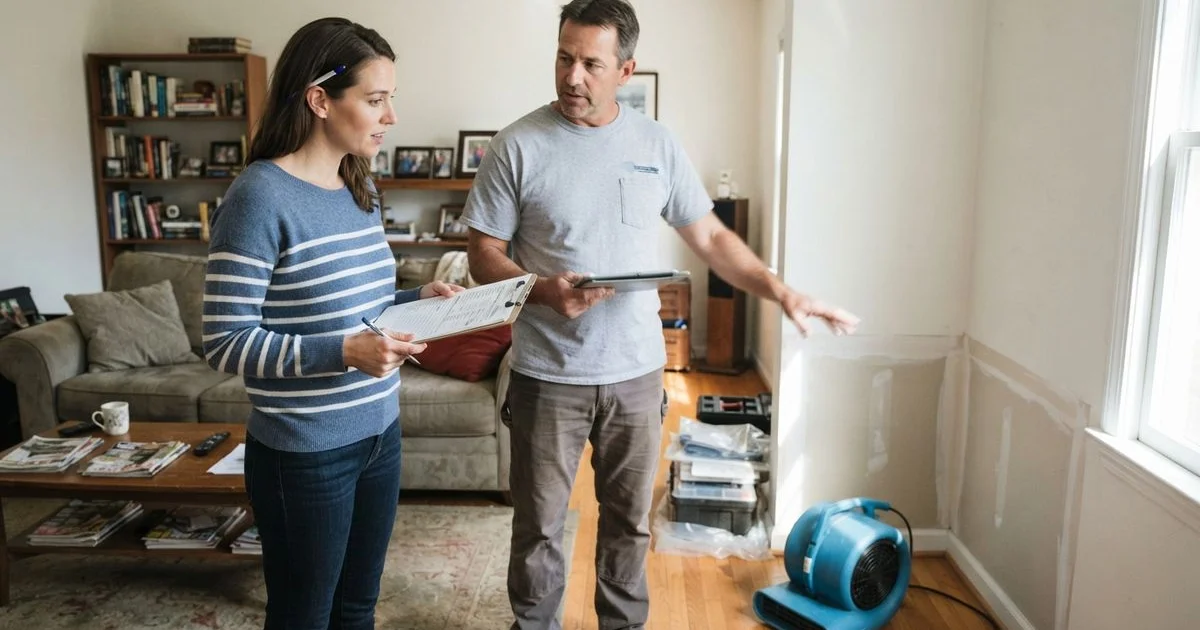
Most mold remediation jobs in Charleston go fine. The ones that don’t tend to follow a recognizable pattern: a vague quote, a scope that quietly expands, and a company that goes quiet right when you need an answer. Here’s what to watch for before you sign anything.
Before you hire: what a good company does
- Gives you a written scope of work: square footage, what’s being removed, what’s being treated in place, and the price attached to each.
- Explains what’s included versus what’s a separate line item, especially the moisture-source repair versus the mold removal itself.
- Answers direct questions about their process, containment, HEPA filtration, whether HVAC and crawlspaces are checked, without getting defensive or vague.
- Is upfront about timeline, including that drying can take longer in Charleston’s humidity than in a drier climate.
Red flags before you sign
| Red flag | Why it matters |
|---|---|
| Verbal quote only, nothing in writing | Hard to hold them to scope or price later |
| Heavy pressure to sign same-day | Rushes you past comparing other options |
| Vague answers about containment or HVAC checks | May be skipping steps that prevent spread |
| No mention of a written scope or change orders | Sets up disputes if the job grows |
| Reluctance to explain pricing breakdown | Makes it hard to know what you’re paying for |
During the job: what should happen if something changes
Jobs sometimes reveal more than expected once a wall opens or a crawlspace gets a closer look. That’s normal. What separates a good company from a bad one is what happens next: a company that calls you, explains what they found, and gets your sign-off on additional work before continuing is doing it right. A company that just does more work and hands you a bigger invoice at the end is not.
The same goes for damage caused during the job itself. Accidents happen, a tool nicks something, a spill lands where it shouldn’t. A company that flags it immediately and offers to make it right is different from one that stays quiet and hopes you don’t notice, or goes unresponsive when you call about it afterward.
After the job: what confirms it actually worked
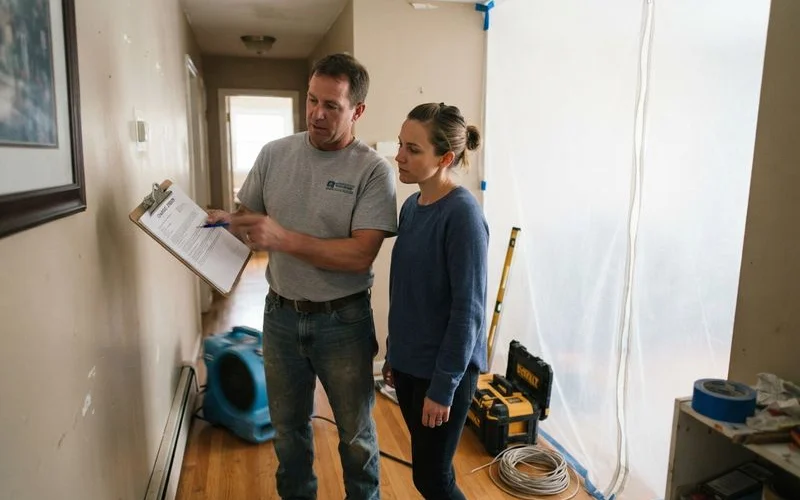
Ask whether a clearance check is included or available, ideally from a source not tied to the removal work itself, before you close up walls or move furniture back. A company confident in its work won’t resist this. One that discourages any kind of follow-up check is worth a second thought.
Also ask what the warranty or callback policy looks like if mold returns in the same spot within a few months. A reasonable company stands behind a job that was actually done right; a vague or evasive answer here is worth weighing against everything else you’ve seen from them so far.
Reading reviews with the right eye
Star ratings alone don’t tell you much. What’s more useful is looking for patterns in what people actually describe: do reviewers mention named technicians, specific timelines, and clear communication, or are the reviews generic praise with no detail? On the complaint side, watch for repeated mentions of the same problem, unfinished work, scheduling that fell through, damage that was never resolved, rather than dismissing a single bad review as an outlier. One isolated complaint against a long record of detailed, specific praise is a different situation than a pattern of similar complaints showing up again and again.
Questions worth asking before you commit
Bring these to any quote conversation: what’s your process for containment, do you check HVAC and crawlspaces as part of the inspection, what happens if you find more than expected, and what’s included if I need a follow-up visit. A company that answers clearly and specifically is telling you more about how the job will go than the price alone ever will.
Compare Charleston mold remediation providers and their review patterns before you commit, and read our methodology for how we score them. Start from the homepage to see the full list.
FAQ
- What's the biggest red flag when getting a mold remediation quote?
- A verbal-only quote with no written scope of work. If a company won't put square footage, tasks, and price in writing before starting, it's much harder to hold them to it later.
- Should I worry if a company pressures me to sign the same day?
- Yes, generally. Legitimate urgency, active water damage, for example, is real, but pressure to commit before you've compared even one other quote is a sales tactic, not a reflection of the actual timeline.
- What questions catch companies that cut corners?
- Ask whether they check HVAC ductwork and crawlspaces, not just visible rooms, whether containment is part of the process, and whether they offer or recommend a clearance check after the work is done. Vague or dismissive answers to any of these are worth noting.
- What should happen if something goes wrong mid-project?
- A company that finds an issue, more contamination than expected, damage to an unaffected area, should tell you before continuing, not after the invoice arrives. Silence during a problem is a bigger warning sign than the problem itself.
Related on this site
- Browse mold remediation providers
- What mold remediation costs in Charleston and what changes the price
- What to expect during a mold remediation job in Charleston, step by step
- DIY mold removal vs hiring a pro in Charleston: when each makes sense
- Mold exposure health risks in Charleston homes: what's real and what's overblown
- All guides →